Species
Rabbit-specific question
Is a domestic rabbit accepted?
Evidence needed
Official species eligibility statement

For small pets, identify the species before the company: rabbit eligibility and dental questions are different from a small dog’s policy search.
Separate dog and cat veterinary insurance only. This is not a quote for other species, liability, property, mortality or services discussed here; verify state eligibility and policy terms.
Use these checkpoints to frame the literal question before reading the full guide.
If “small pet” means a rabbit or another small exotic animal, first verify that the insurer covers that exact species. Nationwide has an official rabbit-insurance page. This is a starting point for species research, not a verified offer for every location or a ranking of small insurance companies.
The sections below show how to verify the answer and what can change it.
Imagine someone adopting a two-year-old rabbit and budgeting for future veterinary care. A dog-and-cat quote form is not evidence that the rabbit can enroll, even if a marketing headline says “pets.” The owner needs a rabbit-specific eligibility answer before comparing deductibles. The age and household here are invented.
Nationwide’s rabbit page confirms that the company markets insurance for rabbits. It does not, by itself, supply this hypothetical owner’s state form, enrollment decision or premium. This guide does not claim Nationwide is the only available company or the cheapest.
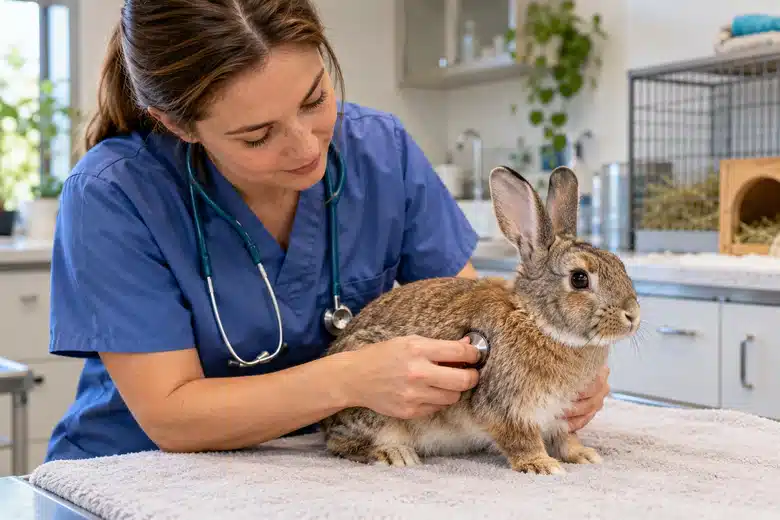
Auburn’s veterinary dentistry material explains that dental malocclusion can require repeated tooth trimming in rabbits and rodents, depending on tooth growth and the individual problem. Ask whether a proposed policy treats therapeutic dental procedures, ongoing conditions and routine maintenance differently. This documented species issue does not predict that the hypothetical rabbit will develop disease or establish an insurance benefit.
| Stage | Rabbit-specific question | Evidence needed |
|---|---|---|
| Species | Is a domestic rabbit accepted? | Official species eligibility statement |
| Applicant | Is this age and residence eligible? | Current state/product offer |
| Event | How are earlier dental signs and recurrent problems treated? | Applicable exclusion and history wording |
| Procedure | Are therapeutic tooth procedures distinct from routine maintenance? | Dental grant, exclusions and benefit schedule |
| Payment | Does the plan use eligible expense or scheduled benefit amounts? | Calculation clause and remaining limits |
This is a separate medical-insurance offer for eligible dogs and cats, not the other species, liability, property, mortality or commercial coverage described here. Check state availability, policy exclusions and actual eligibility.
Suppose a future illness is eligible under an entirely hypothetical reimbursement design. A $900 bill contains $100 in excluded charges, leaving $800 eligible. With an 80% payment percentage and a $100 remaining deductible subtracted afterward, reimbursement is $540 and the owner retains $360. If a real product instead uses fixed benefit amounts, this formula is unsuitable. The example is not Nationwide’s price or claim calculation.
The owner should also identify an appropriate veterinary practice before an emergency, and keep prior records from the seller, shelter or clinic where available. Missing records should be reported honestly. A new adoption date does not make earlier observations irrelevant.
Company size is a separate search. Do not assume that a small insurer sells small-animal coverage, or that a familiar brand’s administrator is the legal risk carrier. Record the legal issuer, state authorization, policy form and complaint or service evidence before making a company-level judgment. This page does not rank carriers by size.
No matched current rabbit offers or state-specific contract set were obtained for this guide. The species lead and worked audit remain useful, but they do not establish an applicant-specific recommendation.
No. Start with the species category the product actually accepts; small body size does not turn a dog into an exotic applicant.
No. Eligibility, the event’s history and the procedure benefit are separate decisions.
These links provide independent government, academic or reference background. Actual policy wording controls insurance eligibility, benefits and claims.
This article does not imply that the specific animal, liability product, state or service discussed above is covered by the site's partner. If you are separately comparing medical insurance for U.S. domestic dogs or cats, the next button opens a separate quote route for that product; check the actual policy for eligibility and exclusions.